
How to Remove Mold from Tile Grout: Eco-Friendly Solutions That Actually Work
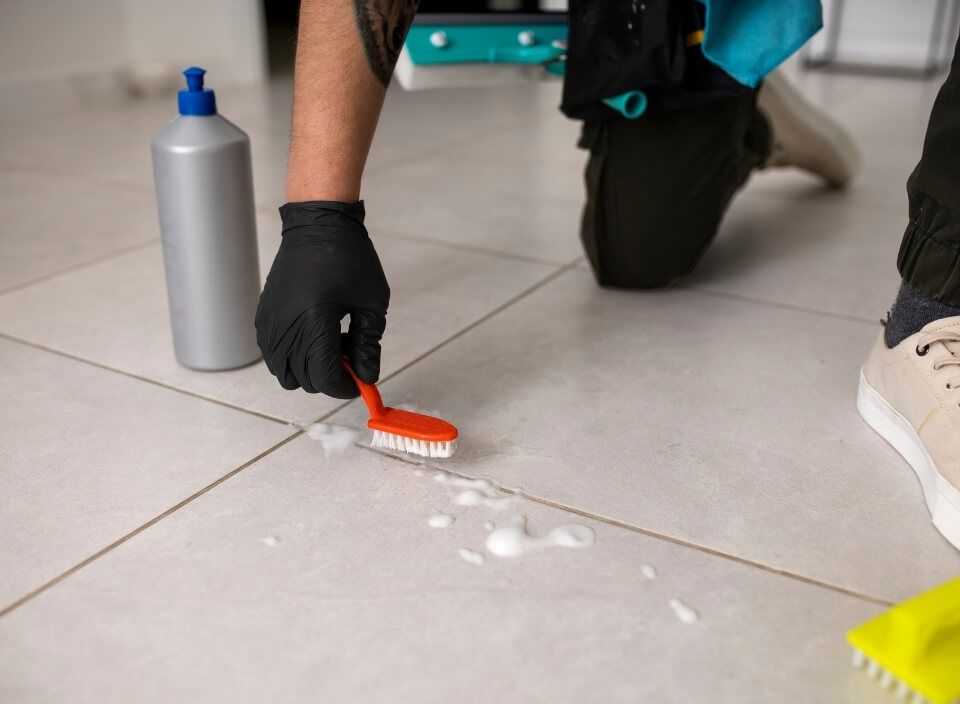
Mold in bathroom grout is one of the most common cleaning challenges homeowners face. Not only does it look unpleasant, but it can also contribute to musty odors and create an unhealthy indoor environment. At Brighter Space Cleaning Co., we believe in starting with the gentlest, most environmentally friendly methods first before moving on to stronger solutions when necessary. Here are the most effective ways to remove mold from tile grout, ranked from the most eco-friendly to the most aggressive.
1. Steam Cleaning (Most Eco-Friendly)
Steam cleaning uses only water and heat to kill mold and loosen dirt from grout lines.
Why it works:
- No chemicals required
- Kills many mold spores through high temperatures
- Safe for families, pets, and the environment
- Great for regular maintenance
Best for:
- Light mold growth
- Preventative cleaning
- Recently developed staining
Limitations:
Steam often struggles with deep black staining that has penetrated porous cement grout. While it may kill the mold, the stain can remain visible.
2. Hydrogen Peroxide
Hydrogen peroxide is a biodegradable cleaner that breaks down into water and oxygen.
How to use:
- Spray 3% hydrogen peroxide directly onto the grout.
- Let it sit for 10–15 minutes.
- Scrub with a grout brush.
- Rinse thoroughly.
Why homeowners love it:
- Low environmental impact
- Effective against mold and mildew
- No harsh fumes
- Safe on most ceramic and porcelain tile surfaces
Best for:
- Moderate mold growth
- Disinfecting grout lines
3. Baking Soda and Hydrogen Peroxide Paste
For more stubborn mold, combine baking soda and hydrogen peroxide into a thick paste.
How to use:
- Apply the paste directly onto affected grout.
- Let sit for 20–30 minutes.
- Scrub with a grout brush.
- Rinse clean.
Why it works:
The baking soda provides gentle abrasion while the peroxide attacks mold and organic staining.
Best for:
- Moderate to heavy staining
- Homeowners wanting a chemical-light approach
4. Oxygen Bleach Cleaners
Oxygen bleach products use sodium percarbonate, which releases oxygen when mixed with water.
Benefits:
- More powerful than hydrogen peroxide
- Less harsh than chlorine bleach
- Lower environmental impact than traditional bleach
- Effective at brightening grout
Best for:
- Persistent mold staining
- Deep cleaning projects
5. Specialized Mold Removal Gels
When mold has deeply stained grout, especially around showers, caulking, and corners, mold removal gels are often the most effective option. Unlike liquid cleaners, gels cling to vertical surfaces and allow the active ingredients to penetrate deeply into grout and silicone.
Why they work:
- Extended contact time
- Excellent for black mold staining
- Minimal scrubbing required
Best for:
- Severe mold staining
- Shower corners
- Silicone caulking
- Neglected bathrooms
Important Note:
Most mold-removal gels contain stronger chemical ingredients and should be used with good ventilation and according to manufacturer instructions.
6. Chlorine Bleach (Last Resort)
Chlorine bleach can quickly whiten grout and kill surface mold.
However:
- Harsh fumes
- Environmental concerns
- Can damage some surfaces over time
- May only bleach the stain rather than fully eliminate mold deep within porous grout
Best for:
Only when gentler methods have failed.
Why Some Mold Keeps Coming Back
Many homeowners are surprised when mold returns shortly after cleaning. The reason is often moisture, not cleaning technique. Common causes include:
- Poor bathroom ventilation
- Standing water in showers
- Leaky fixtures
- Inadequate drying between uses The most effective long-term mold prevention strategy is reducing moisture. Running an exhaust fan during and after showers, wiping down wet surfaces, and repairing leaks can dramatically reduce future mold growth.
Understanding Your Grout Matters
Not all grout is the same.
Cementitious Grout
Traditional grout is porous and absorbs moisture. Mold and stains can penetrate deeply into the material, making complete restoration difficult.
Epoxy Grout
Epoxy grout is non-porous and much more resistant to mold and staining. It is generally easier to clean and maintain. If you’re unsure which type you have, a professional cleaner can usually identify it during an inspection.
When to Call a Professional
If you’ve tried multiple cleaning methods and the grout still appears black or stained, the issue may be:
- Deep staining within porous grout
- Mold beneath deteriorated grout
- Damaged caulking requiring replacement Professional cleaning equipment and specialized treatments can often restore grout without the need for expensive tile replacement.
Need Help?
At Brighter Space Cleaning Co., we specialize in mindful, detail-oriented home cleaning. We always begin with the least aggressive cleaning methods possible and recommend stronger treatments only when necessary. A cleaner home starts with cleaner air, cleaner surfaces, and solutions that respect both your family and the environment.